Transforming a Business Model
How a Traditional Shopping Mall in Giessen Became an Urban Retail Hub
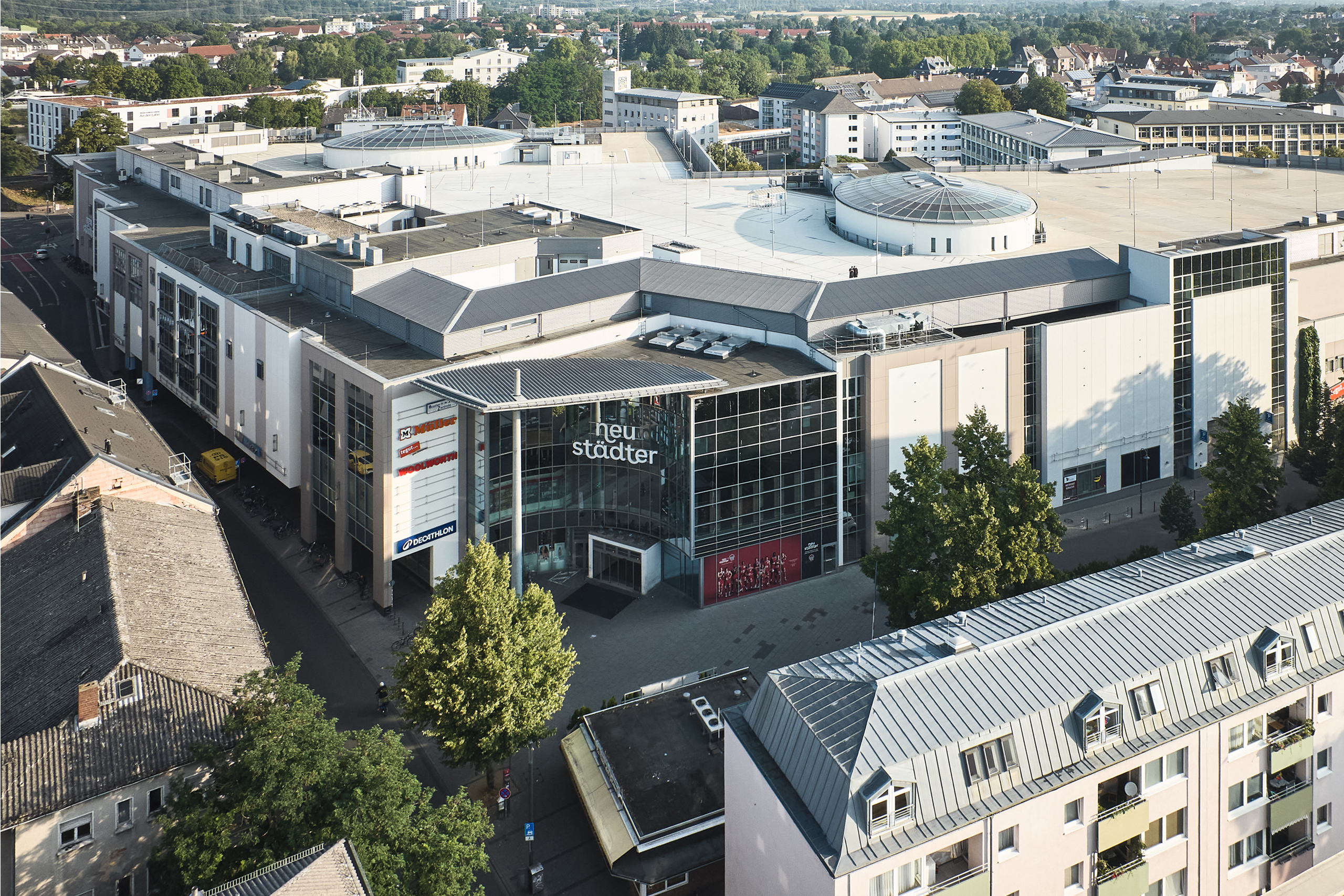
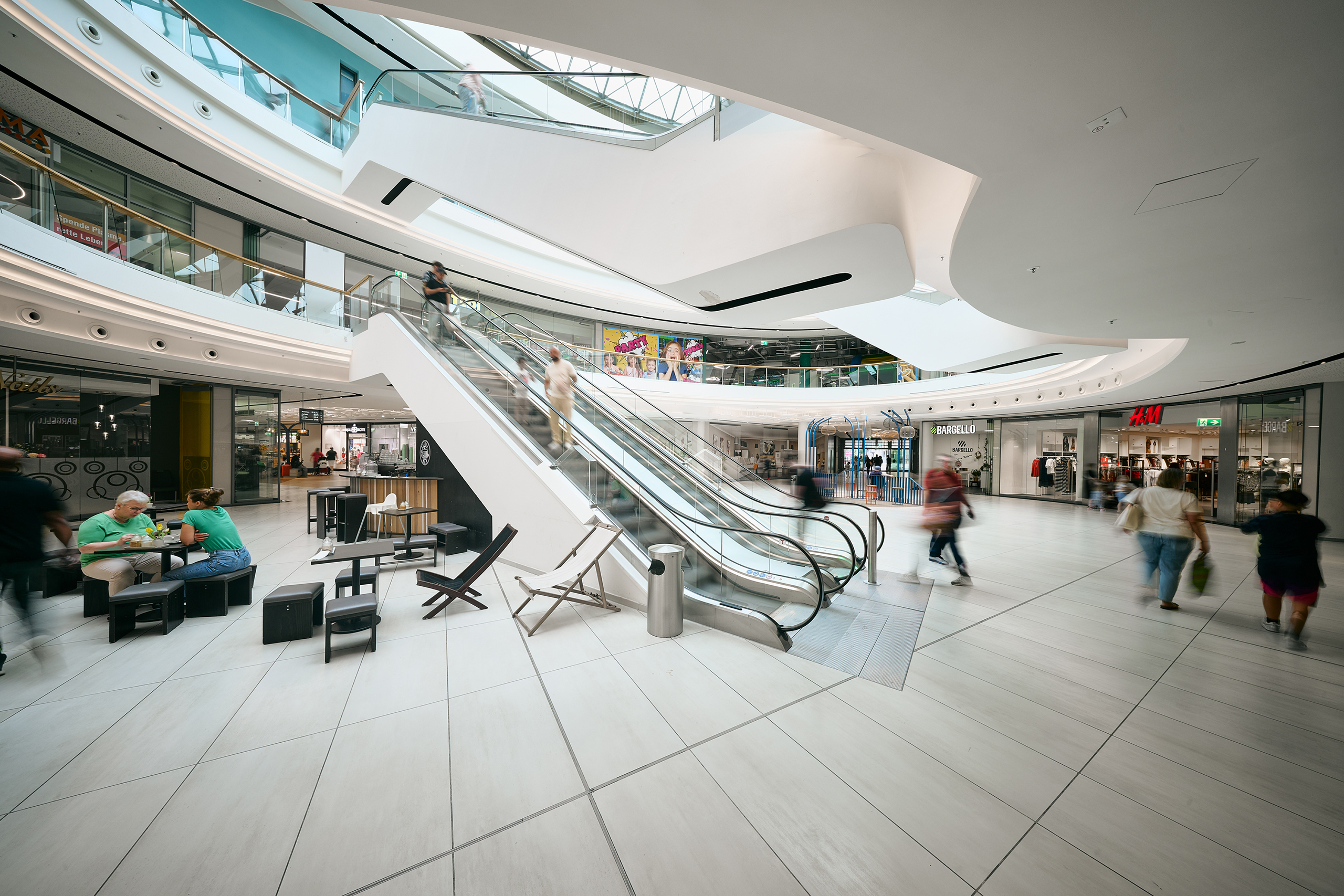
Tuesday morning, shortly after ten. In the food court of the “neustädter” in Gießen, the first tables are filling up; at the gym two floors up, the first morning classes are in session; and all the way up top, the outdoor area of the daycare center is bustling with activity. In the parking garage below, there’s a flurry of activity on every level—it takes less than two minutes to drive from the entrance to one of the two rotundas in the building complex. Outside, at the bus stop in front of the regional train station, passengers get off and walk straight over. Mornings like this are becoming increasingly rare in German city centers: an urban hub that offers more than just shopping and is an integral part of the city.
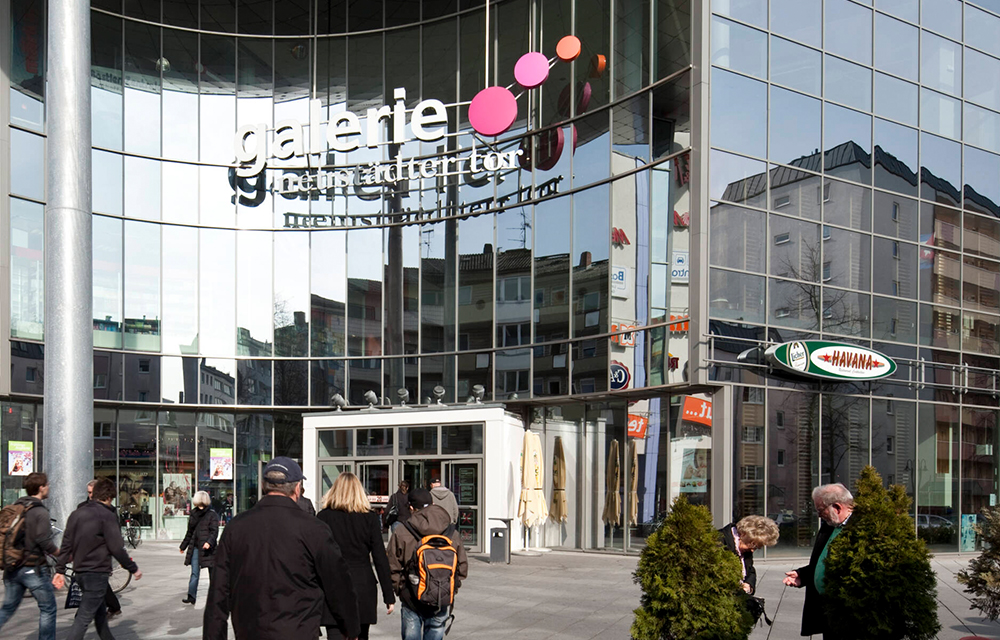
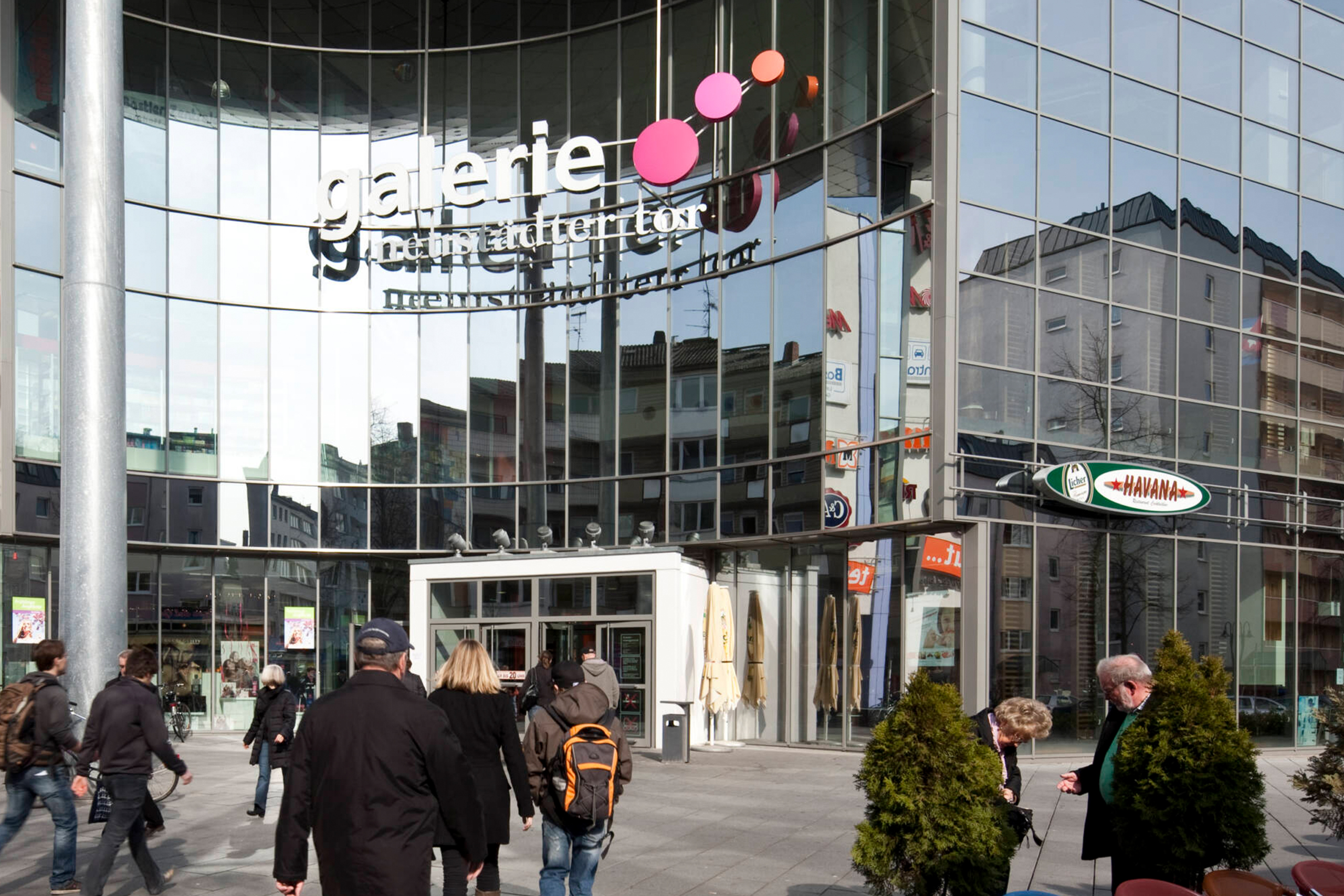
From the outside, you wouldn’t guess the history of this building in the heart of Giessen. It opened in October 2005 as the “Galerie Neustädter Tor,” at a time when the shopping experience was the be-all and end-all. It featured 33,000 m² of small retail spaces, a high proportion of fashion stores, and a leasing concept that hardly differed from other shopping centers of that generation. “That wasn’t wrong; it was simply how shopping centers were conceived back then,” says Steffen Weigand of Hannover Leasing, which closely oversaw the restructuring of the Neustädter. And it worked—until online retail gradually eroded brick-and-mortar stores’ market share over the years, chain stores streamlined their networks, and the small units on the upper floors, in particular, became harder to lease. Some spaces remained vacant longer than planned. The building changed hands several times during this period, without anyone fundamentally questioning the basic concept. The center lost its appeal. Although there were no substantial drops in sales, the decline was nonetheless noticeable to tenants and visitors. From a structural standpoint, the situation was exacerbated by the fact that the center was a dead end: shoppers entered and exited via the same route. For the rear sections, this meant structurally lower foot traffic.
The New Strategy Marks a Turning Point
In 2018, a modernization plan was put forward that took a different approach than a typical renovation program and was implemented in 2019. At its core was a question that went beyond mere repairs: What will a downtown location truly need in the coming years?
Two decisions stemmed from this question. One concerned the layout of the spaces: the building combined small units into large, flexibly divisible areas. The other went further; the building opened itself up to uses that had little to do with traditional retail. A fitness center moved in early on, followed by a daycare center with a rooftop terrace, along with health-related services ranging from a blood plasma center to a dance school, and a larger food court was created. By 2018, the direction was set, even if individual details were worked out later; the tenant mix has followed this approach ever since. The once-traditional shopping mall expanded its business model and transformed into a true urban community hub.
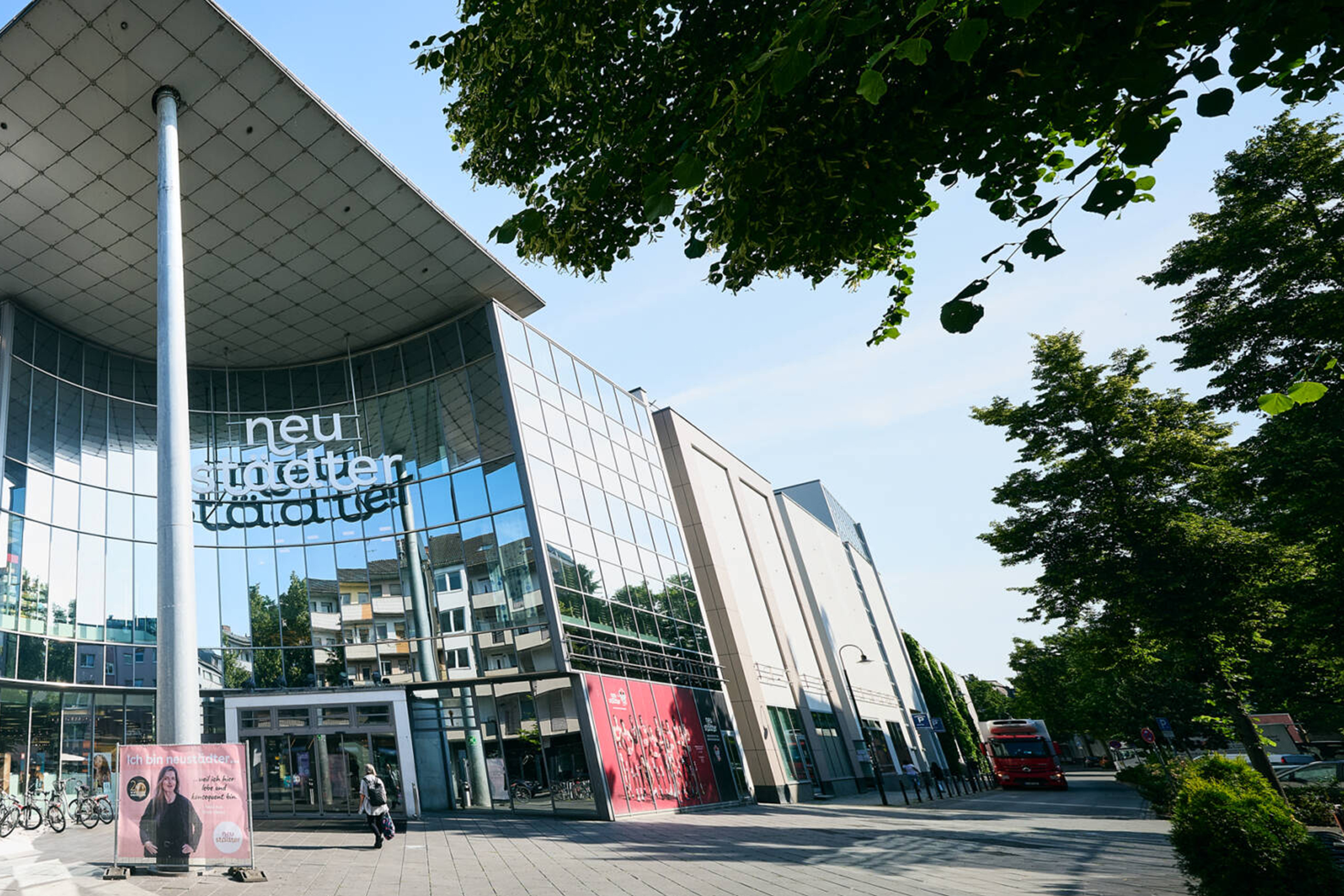
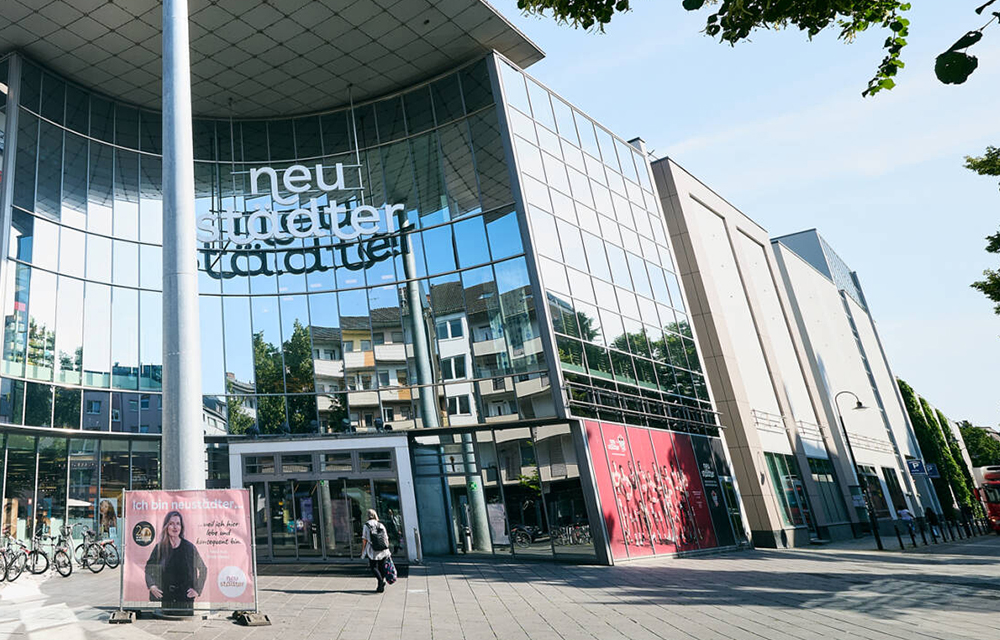
A look at the industry today shows just how forward-thinking this new strategy was back then. According to the EHI study “Center Management in Focus 2026,” health and fitness facilities are now part of the mix in every other shopping center, while daycare centers and schools—at five percent—remain the exception. In Gießen, this use was already commonplace. The new strategic direction was also reflected in the building’s design. The building gained a second entrance, and the dead-end street was turned into a thoroughfare. The facade, interior finishes, lighting, and wayfinding system were updated, and the customer flow was redesigned. Ultimately, it also received a new name: “Galerie Neustädter Tor” became “neustädter.” The renovation ran from early 2019 into 2025.
“An integral part of and partner to the downtown area, not just a satellite next to it”

Steffen Weigand
Head of Sales at HANNOVER LEASING
From a Shopping Destination to a Place for Everyday Life
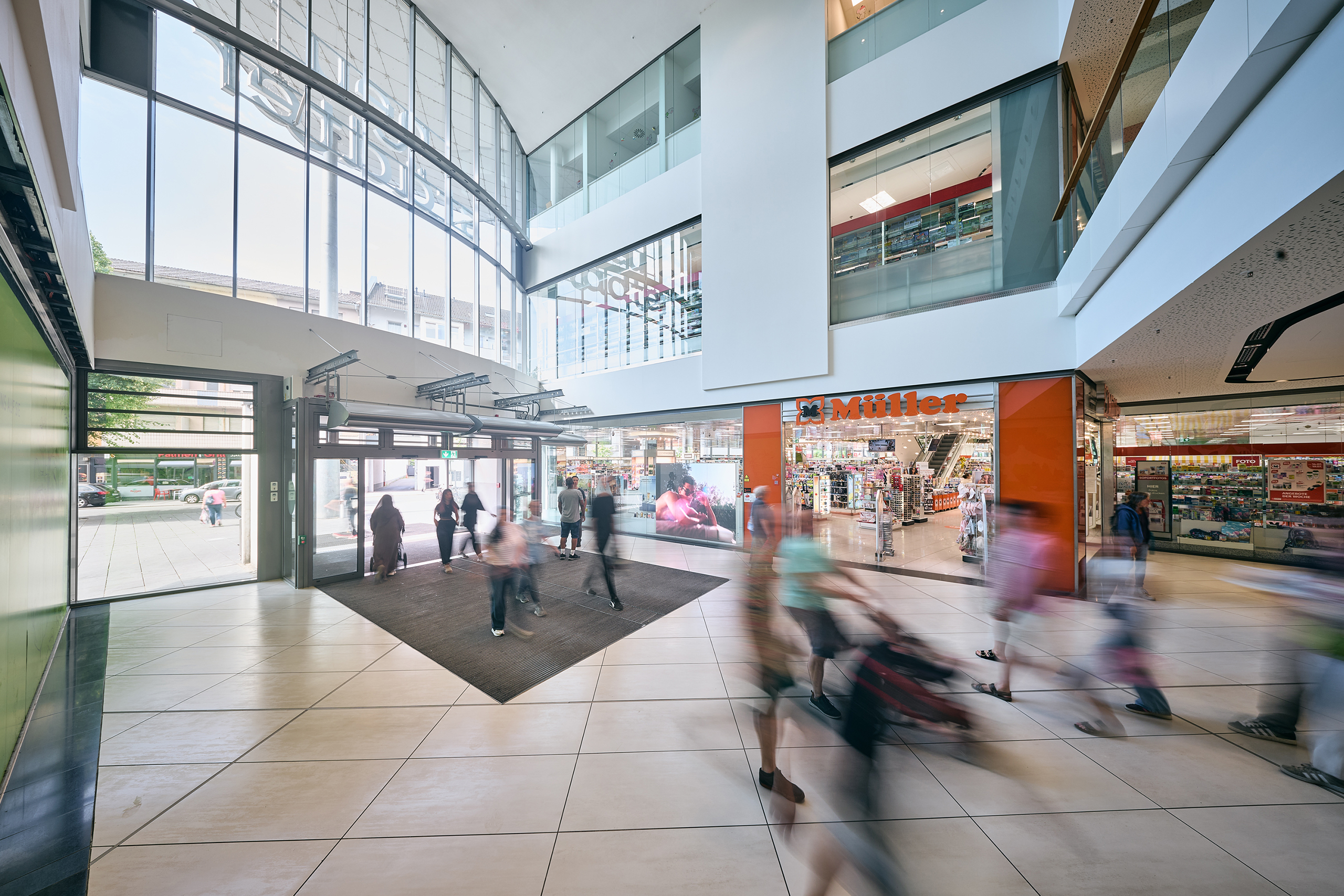
Today, the Neustädter can hardly be described simply as a “shopping center.” What was once a place for shopping has become something of a hybrid: daily necessities, health, care services, sports, and dining coexist here. Even on Sundays, when the stores are closed, it’s not completely empty—the gym and restaurants keep the place bustling. On average, 16,500 visitors come to the Neustädter every day. Pure impulse buying—once the main driver—is now just one of many reasons why people come to the complex.
The location is a perfect fit: Giessen is the regional hub of Central Hesse, the state’s youngest city, with one of the highest concentrations of students in Germany—around 40,000 in total. The biggest advantage here is Giessen’s largest downtown parking garage: over 1,000 parking spaces, easily accessible and hassle-free. For many, it remains the starting point for a shopping trip that continues from here into the city center. “An integral part of and partner to the city center, not just a satellite next to it,” says Steffen Weigand of Hannover Leasing. “That wasn’t always a given,” adds Hüseyin Ugur, Center Manager of the neustädter. “For many years, we were sometimes viewed more as competitors to the downtown area. In recent years, however, this perception has changed significantly. Today, the focus is more on our shared interest in an attractive and vibrant downtown Gießen,” says Hüseyin Ugur.
“Today, the focus is more on our shared interest in an attractive and vibrant downtown in Giessen.”
Hüseyin Ugur
Center Manager, Neustadt, Gießen
One effect of the modernization is only now becoming truly apparent: the energy aspect. “Energy-efficient modernization has the greatest impact when it goes hand in hand with a long-term, appropriate use of the space,” says Timm Jehne of BBE Handelsberatung, which has been advising the site for years. “At the Neustadt site, not only were the building systems and interior spaces modernized, but the foundation for a multifunctional urban retail hub was also laid.” A second major wave of investment—the kind that many older centers will face in the coming years—does not appear to be necessary here.
“The Neustädter demonstrates the direction in which inner-city retail real estate can evolve: away from being merely a shopping destination and toward becoming an urban hub for everyday life,” says Jehne. What matters most, he adds, is not the number of individual uses, but their role within the overall structure. That is precisely what ensures the location’s long-term viability.
The proof: Just like this Tuesday morning, this is what it looks like in Neustadt most days of the week.
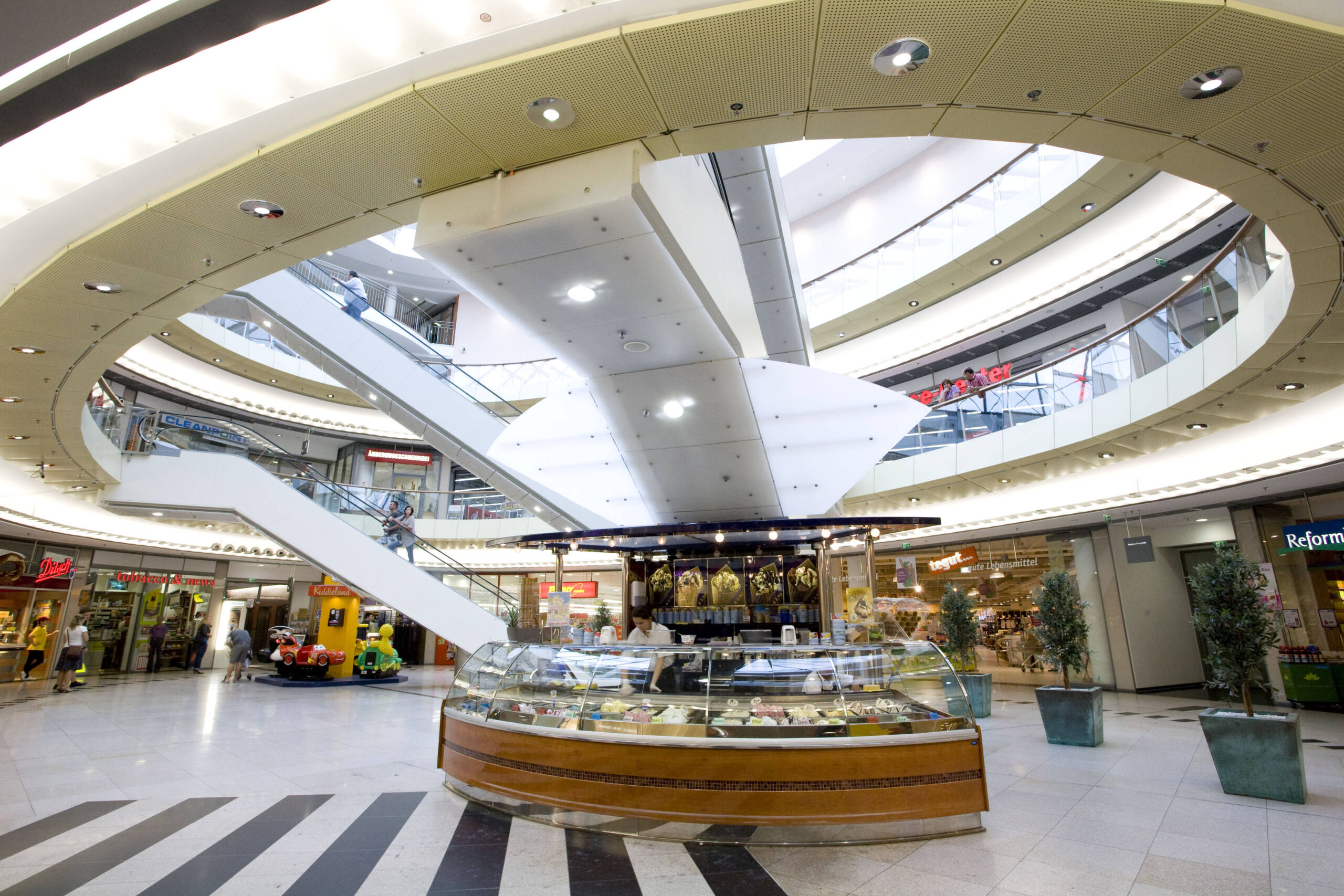
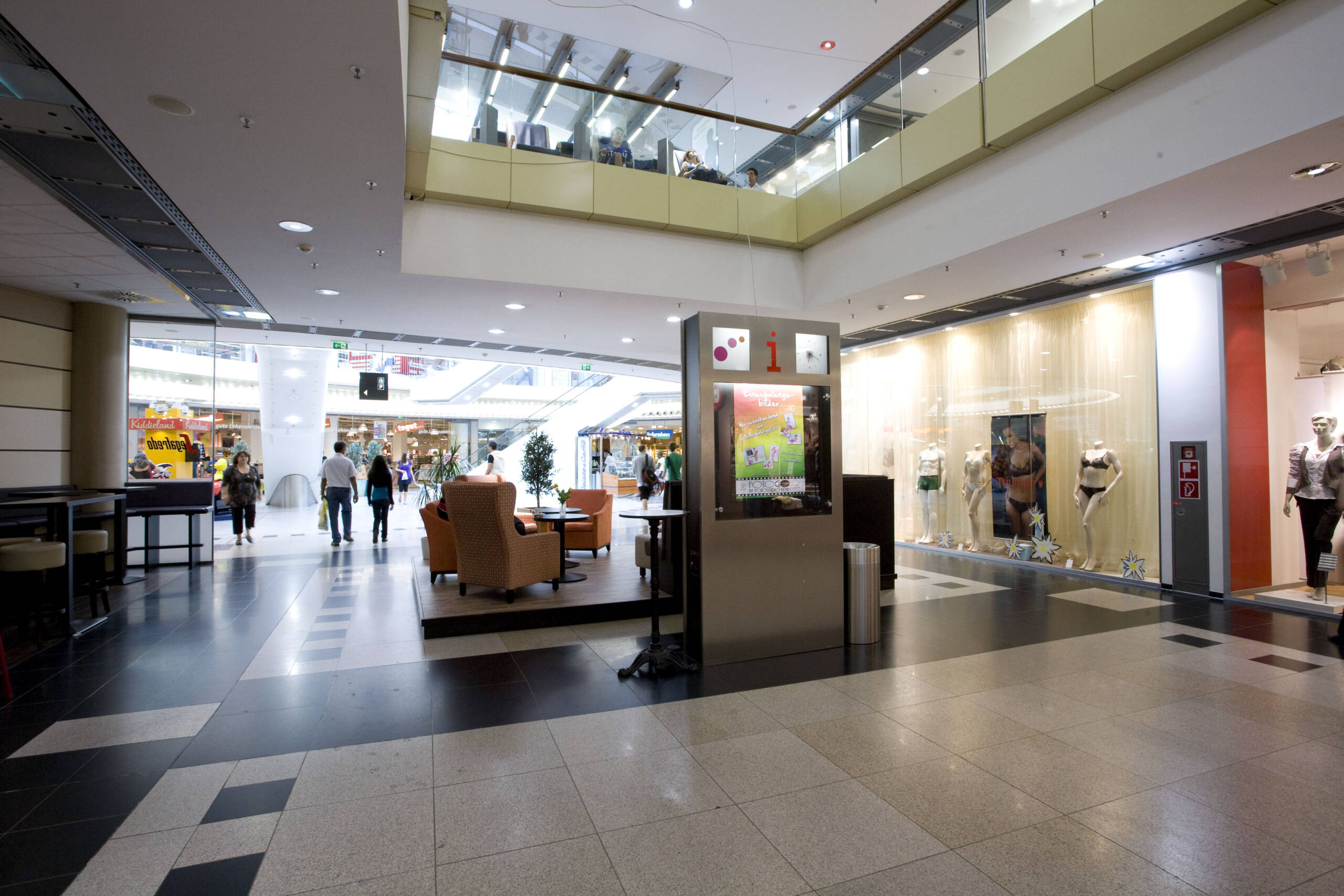
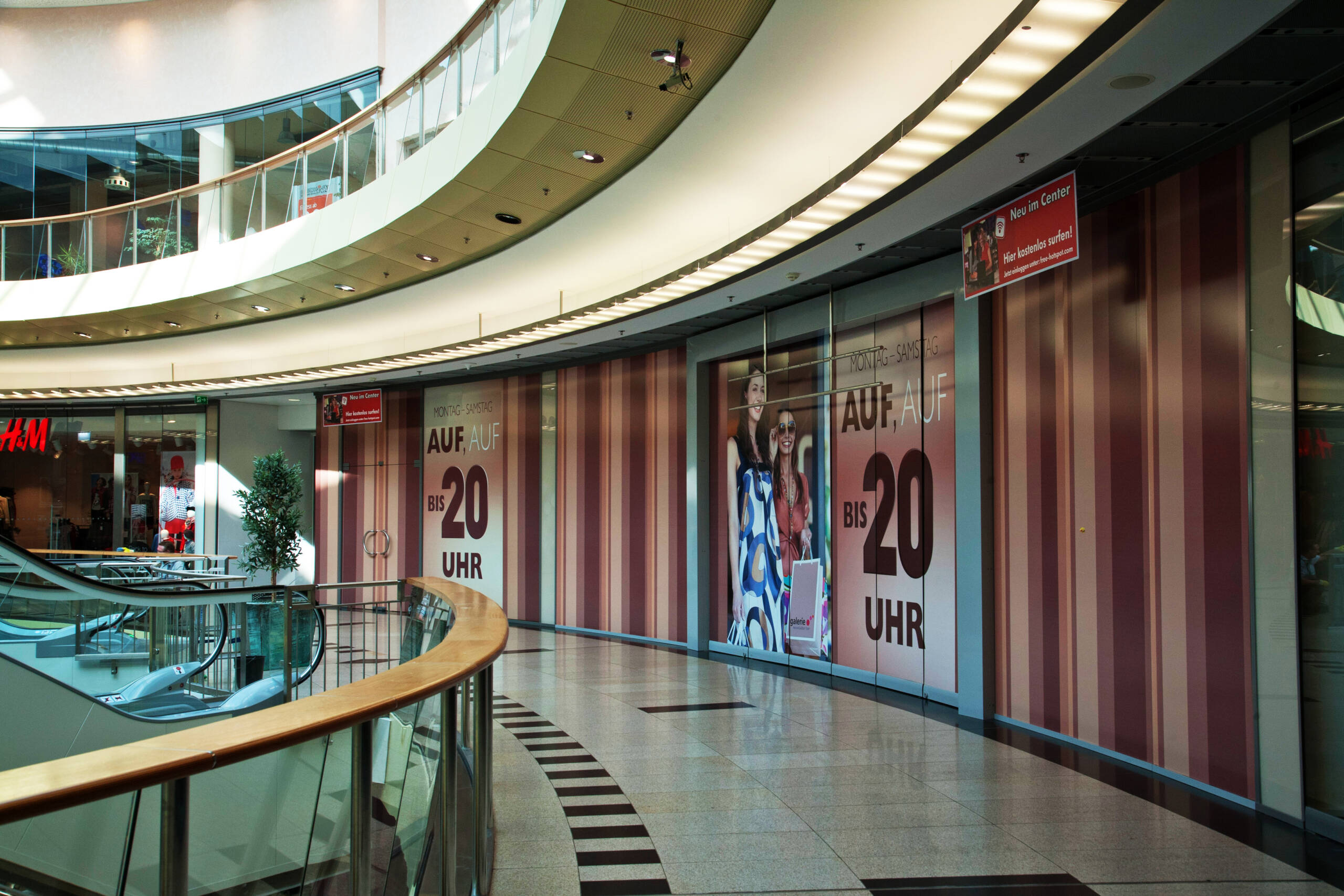
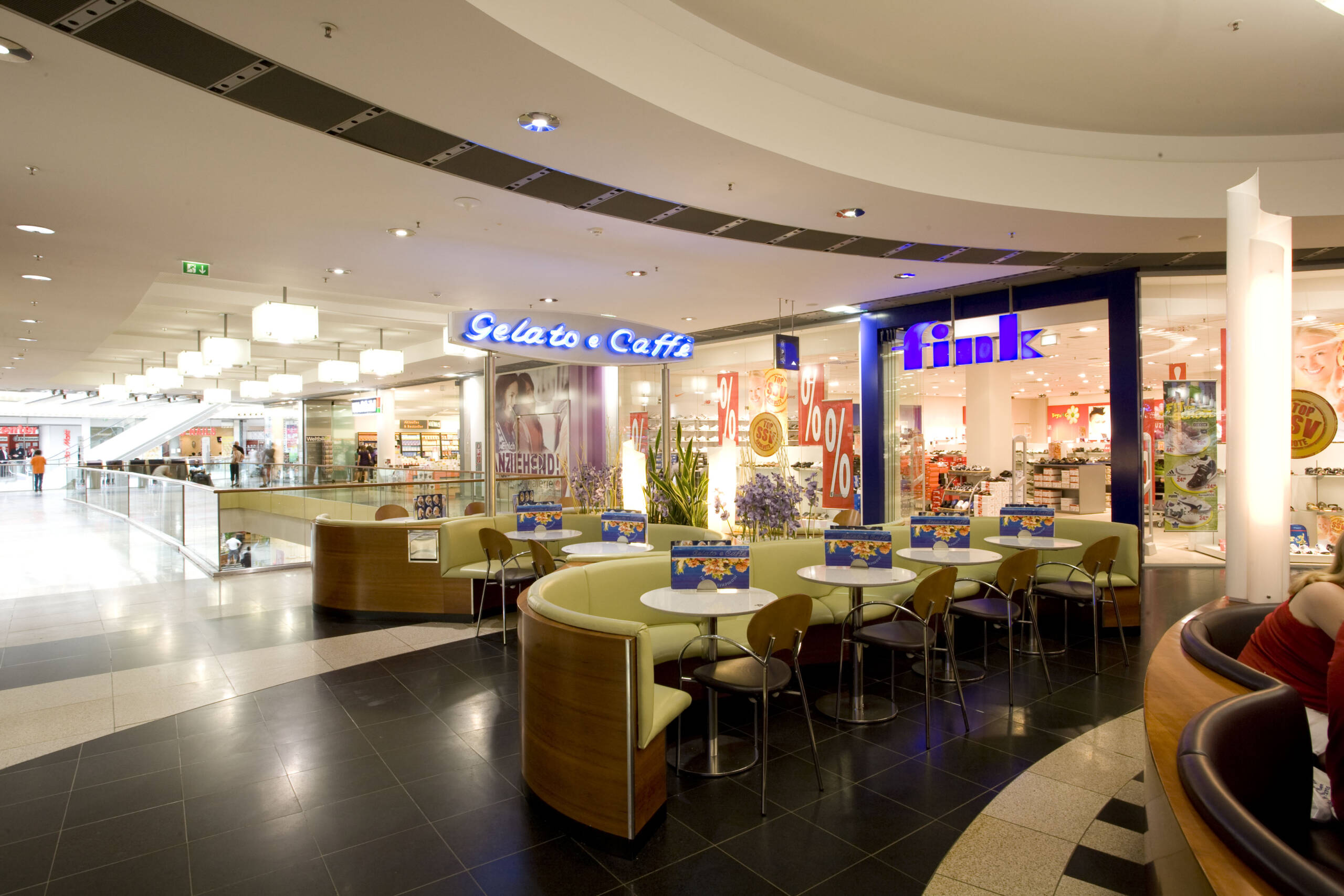
The Neustadt in 2011
Neustadt in 2025